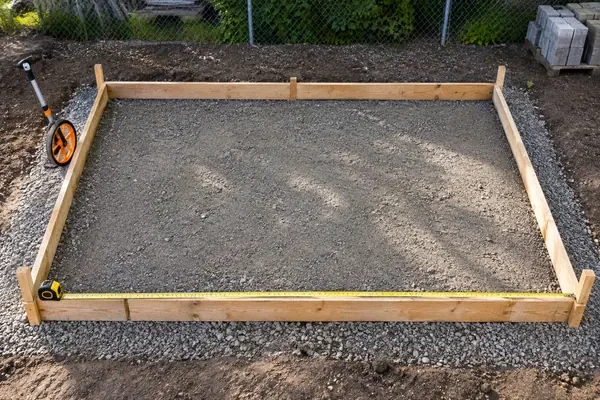
- Calculate placed volume
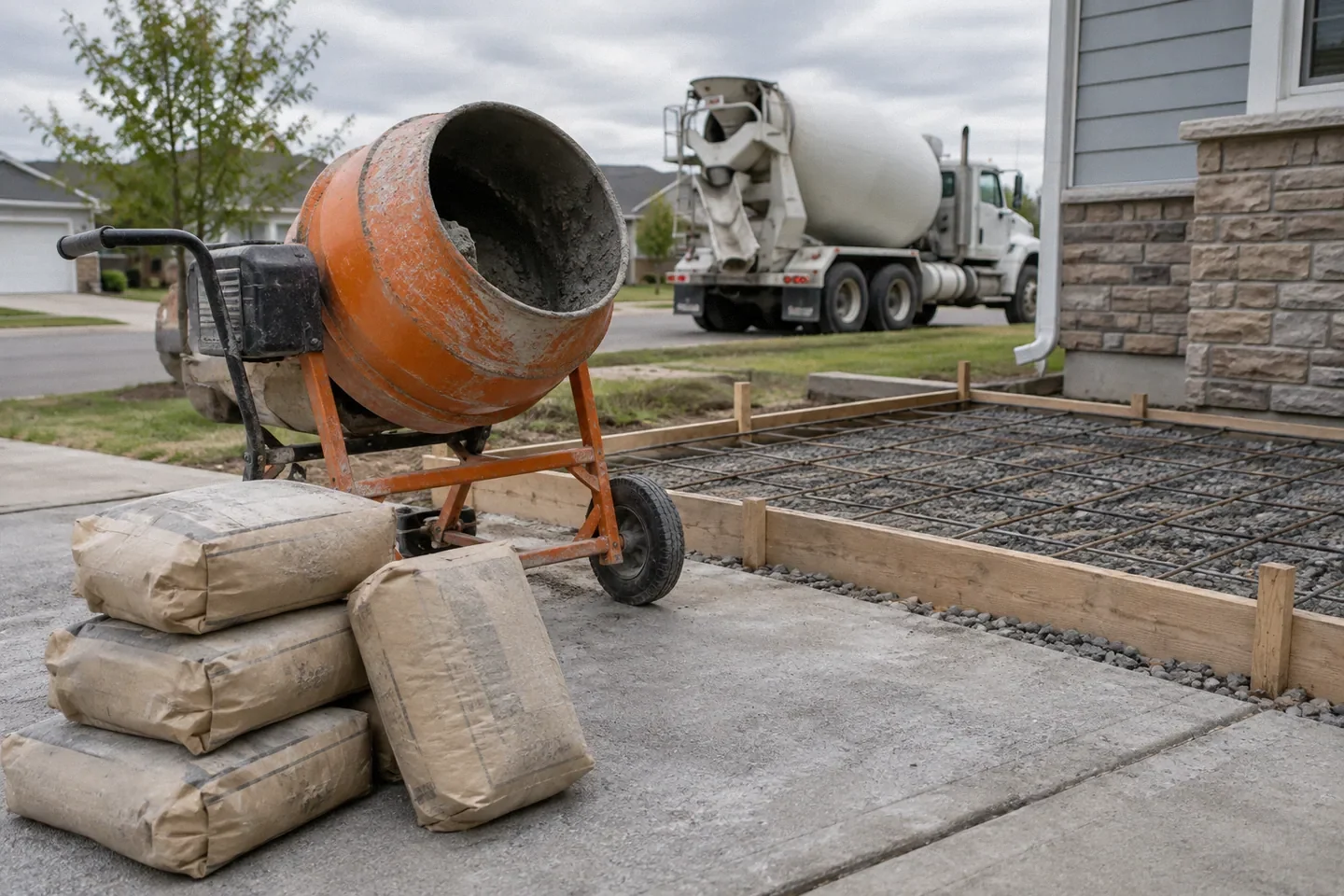
- Time a realistic mixing batch
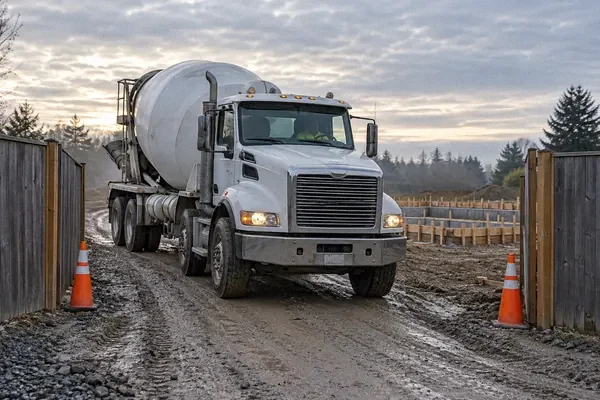
- Compare delivery and access
Reddit discussions identify questions; technical guidance comes from the linked primary sources. This article is not a site inspection or an engineered specification. How we research.
A bagged mixture can be appropriate for a small patio extension, but choosing bags commits you to a production process. Someone must move the material, measure water, mix each batch, transport it, and keep placement coordinated with finishing. Ready mix moves much of that batching work to the supplier, while adding delivery and discharge constraints.
The real question is therefore not which container produces “good concrete.” It is which documented mixture and placement method your particular job can execute well. A Reddit homeowner comparing bags with truck concrete was told bagged material would inevitably perform worse. That broad claim leaves out the most important variables.
Compare products before comparing delivery methods
A packaged product has stated uses, yield, mixing directions, and performance information. For example, the QUIKRETE Concrete Mix data sheet describes a specific mixture, not every bag of concrete sold in stores. Read the actual product you intend to buy.
Ready mix also needs a specification. “A truck of concrete” is incomplete. The supplier needs to understand the application and required fresh and hardened properties. NRMCA's ordering guidance explains why mixtures vary with project requirements.
Do not compare a suitable ready-mix proposal against the cheapest unrelated bag. Compare materials intended for the same placement, then evaluate whether each delivery method can achieve a consistent job.
Volume reveals the real workload
Area alone can hide the number of batches. Calculate length times width times thickness using compatible units. Convert cubic feet to cubic yards by dividing by 27. For bags, divide the required placed volume by the yield printed for the selected package.
Keep the geometric calculation separate from contingency. Irregular excavation, edges, and handling losses can increase what the work consumes. A neat rectangle on a sketch is not necessarily the final form volume.
Once you have a bag count, think about every lift. Bags may move from store pallet to vehicle, vehicle to staging area, and staging area to mixer. Water and mixed concrete also need reliable routes. The person responsible for finishing should not unexpectedly become the only person available to fetch the next batch.
Test production instead of guessing it
A useful trial times the complete cycle: measure water, load, mix, discharge, transport, return, and prepare again. A mixer advertised by drum capacity does not necessarily produce that much usable concrete per batch.
Include cleanup and minor delays in the estimate. A stuck wheelbarrow, missing hose fitting, or batch that needs additional mixing can disrupt a small crew. The fastest isolated batch is not a dependable production rate.
| Question | Bags tend to help when | Ready mix tends to help when |
|---|---|---|
| Access | Small loads can reach a difficult location | Truck, chute, buggy, or pump access is planned |
| Quantity | Total batches remain manageable | Batch count would overwhelm the crew |
| Scheduling | Work can be organized in approved small placements | A continuous scheduled placement is needed |
| Labor | Mixing and finishing roles are separately covered | Crew should concentrate on placing and finishing |
| Procurement | Correct material is available and stored dry | Supplier can provide the required mixture |
These are planning tendencies, not fixed rules. A remote location can make a modest ready-mix pour difficult, while a capable crew and mixer can make bags practical for a quantity that would overwhelm one person.
A hypothetical patio extension
Consider a homeowner adding a narrow strip behind an outdoor kitchen. They calculate the volume and discover that the job requires considerably more bags than expected. The mixer fits through the gate, but the only wheelbarrow route crosses stairs.
The first useful change is to map the material route. Could dry bags be staged near the mixer? Is there a safe water supply? Can the mixed concrete reach every part of the form? Will someone remain available to screed and finish while batches continue?
A ready-mix quotation might include a small-load charge. That charge should be compared with the actual alternative: bags, transport, mixer rental, handling, and enough help. It should not be compared with bags alone while treating the homeowner's time and physical capacity as unlimited.
If neither plan offers a realistic placement rate, reconsider the sequence with someone qualified to plan joints and separate placements. An unplanned stop halfway across the slab is not a substitute for that decision.
Consistency is the central bagged-mix challenge
Use the same product and measure water for every batch according to its instructions. Do not make one batch wetter simply because it must travel farther or because the previous batch was hard to spread. The solution to difficult handling is a better plan or an appropriate product, not uncontrolled adjustment.
Record how many bags enter each batch. Keep tools and measuring containers organized so that a helper can repeat the process without interpretation. Check the material's condition before the pour, including whether bags have been damaged or exposed to moisture.
Ready mix is not immune to inconsistency either. Confirm the order, delivery ticket, and any authorized jobsite adjustments. A truck does not eliminate the need for a competent placing, finishing, and curing crew.
Choose the complete method
Before buying either option, confirm the forms, support, reinforcement details where specified, equipment, access, people, and curing supplies. Decide who handles each task and what happens if the weather changes.
For a very small job, bags may simplify logistics. For a larger or time-sensitive placement, ready mix may reduce batching demands enough to justify its delivery costs. The better choice is the one supported by a realistic sequence and a suitable documented mixture.
Frequently asked questions
Is there a slab size where bags become wrong?
No universal square-foot limit answers that. Thickness and the full mixing-and-transport cycle determine workload, while weather and available help affect how much work the crew can complete.
Can I compare bag cost directly with a truck's price per yard?
Convert the bags using their stated yield first. Then add the costs and practical demands of getting either material into the forms, including rental, delivery, access equipment, and labor.
Research references
- primary · search-excerpt
QUIKRETE Concrete Mix 1101 data sheet - primary · full
NRMCA CIP 31 Ordering Ready Mixed Concrete - reddit · search-excerpt
Cement Bag Mix vs Cement Truck Mix for Patio