- Name each milestone
- Verify the invoice basis
- Reconcile completion and balance
Reddit discussions identify questions; technical guidance comes from the linked primary sources. This article is not a site inspection or an engineered specification. How we research.
Replace vague timing with recognizable events
“Second payment halfway through” leaves several questions unanswered. Half the elapsed time, half the labor or half the physical work may occur on different days. Ask what the contractor means and replace the phrase with an identifiable scope item or combination of items.
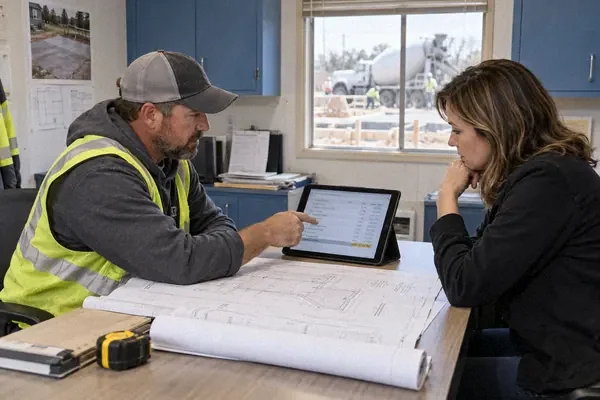
The milestone should be understandable without requiring the homeowner to certify technical work outside their competence. An owner can confirm that marked demolition areas have been removed. They may need an inspection record or professional confirmation for work that must satisfy a technical approval. Identify that evidence in advance.
A Reddit discussion about full payment before concrete work is finished shows how quickly payment expectations diverge when the schedule is unclear. The comments describe individual practices, not a national standard for what you should pay.
Fit the schedule to the job sequence
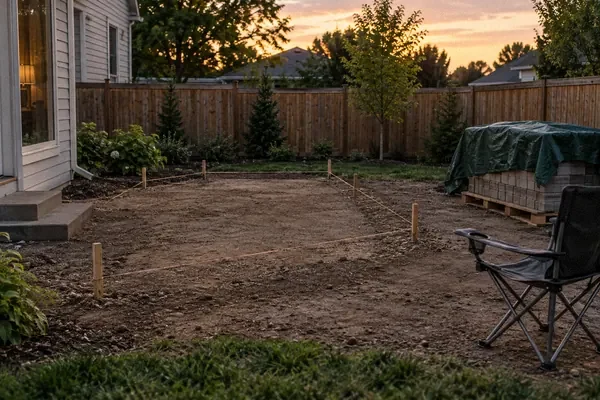
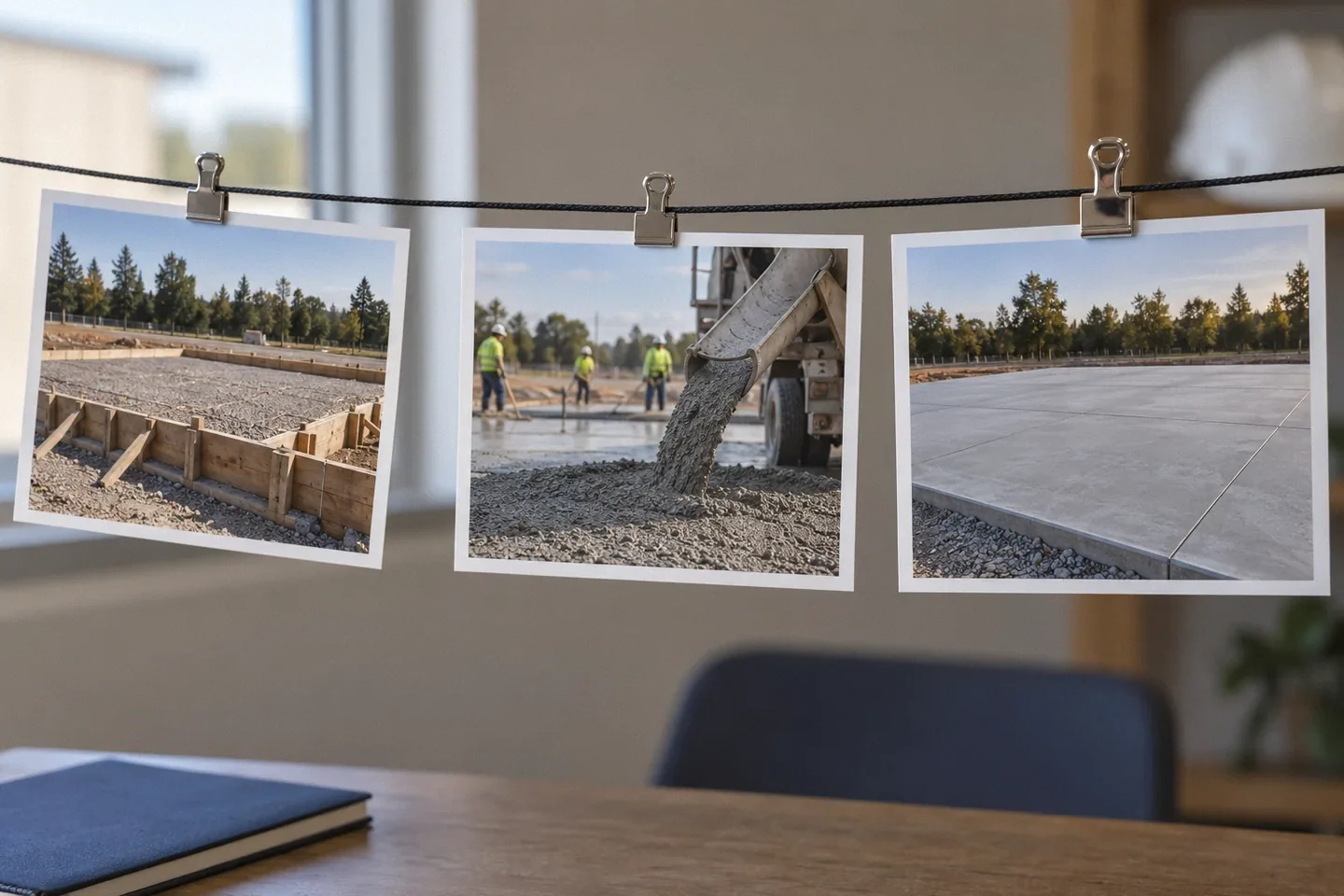
List the actual operations in order: required approvals, removal, preparation, placement, finishing and remaining completion work. Some jobs combine several operations in a short period; others involve separate mobilizations. The payment schedule should reflect the agreed job rather than a generic form that assumes a different construction sequence.
Do not confuse a milestone with permission to cover work. If an inspection or other approval is required before placement, payment does not replace that approval. Likewise, a payment receipt does not establish that every hidden element met the plans.
For California covered home improvement contracts, review CSLB's payment-schedule guidance. Its requirements are specific to that jurisdiction and contract category. Florida owners should verify their own applicable rules rather than borrow a California schedule unchanged.
Write down what supports each invoice
| Possible project stage | Example evidence to define in advance |
|---|---|
| Removal completed | Marked areas cleared and included debris removed |
| Preparation ready | Agreed scope completed and applicable approval recorded |
| Placement completed | Included areas placed, with the next protection responsibilities identified |
| Remaining finish work | Listed return tasks completed and documented |
| Final reconciliation | Credits, changes, records and remaining balance agreed |
These are examples of how to describe events, not a recommended percentage allocation. The amount and legal structure require project-specific review. A small patio and a structural foundation may need very different schedules and evidence.
Ask who confirms each event and how quickly the invoice will be reviewed. A schedule that assumes immediate owner approval while the owner is traveling creates avoidable friction. Arrange an authorized representative or agree on the documentation process before the work begins.
Address partial completion expressly
If a milestone covers three areas and only two are finished, do not assume that either the full amount or nothing is automatically due. The agreement should explain how partial progress is handled, or the parties should resolve that point in writing when it arises.
Ask whether the incomplete item affects use of the completed work. Missing cleanup may be different from an incomplete access route or required approval. The purpose of identifying the issue is to make the discussion precise, not to establish a universal withholding formula.
Record any accepted partial payment against the correct item. Otherwise, a later invoice may appear unpaid because the earlier amount was credited to a different phase. An updated balance should be simple enough that both parties can reproduce it from the same documents.
Hypothetical example: placement is complete, but the job is not
Suppose a driveway agreement includes placement, a later return visit for specified work, removal of temporary barriers and restoration beside the slab. The contractor invoices a placement milestone after the pour. The owner agrees that placement occurred but believes the invoice is the final balance.
The parties review the schedule and discover that a separate completion amount remains. They clarify the return date and the tasks included in that amount. The problem was not necessarily premature billing; it was failure to explain the difference between a phase payment and final completion.
In another contract, the same invoice might actually demand the final balance before promised tasks are done. The facts and wording matter. A label on the invoice should be checked against the signed agreement rather than interpreted in isolation.
Keep changes out of the original milestone arithmetic
When the owner adds work, record whether the change creates a new payment item or modifies an existing one. Show credits for deleted work as clearly as charges for additions. Keep proposed changes separate from approved ones so the current balance does not silently include unaccepted work.
A simple ledger can show date, invoice number, milestone, approved change reference, amount due, amount paid and remaining balance. Attach the invoice and receipt rather than rewriting the contractor's entire accounting system. The goal is a reliable shared record, not administrative complexity.
Payment communication should stay distinct from technical acceptance. If the owner has a documented concern, identify it directly and ask how it will be assessed. Do not rely on a vague note in a payment memo to communicate a defect, reserve rights or modify a warranty.
Should every concrete project use the same deposit and milestone percentages?
No. The legal requirements and project sequence vary. Define the scope and governing rules first, then agree on amounts that correspond to the actual contract rather than copying an online schedule.
Does paying a phase invoice mean I accepted every hidden detail?
Do not assume that either way. The legal effect depends on the agreement and circumstances, so document concerns separately and obtain advice before signing any broad acceptance or release language.
A useful payment schedule names the event, evidence and amount for each invoice. Review it with the contractor before mobilization, when revisions are still easy and neither side is under placement-day pressure.
Research references
- primary · full
FTC: How To Avoid a Home Improvement Scam - primary · full
CSLB: Terms of Agreement - reddit · search-excerpt
Is it reasonable to expect to be paid in full if work is not completed?