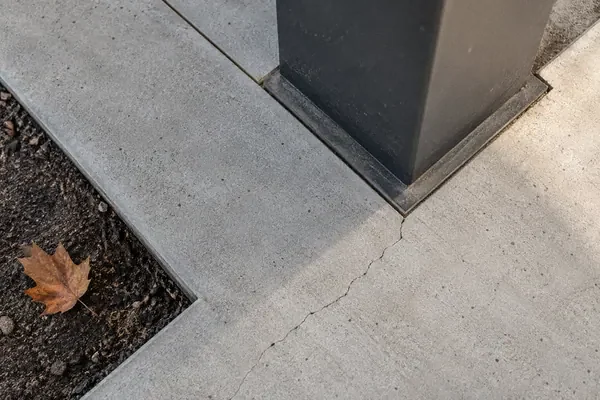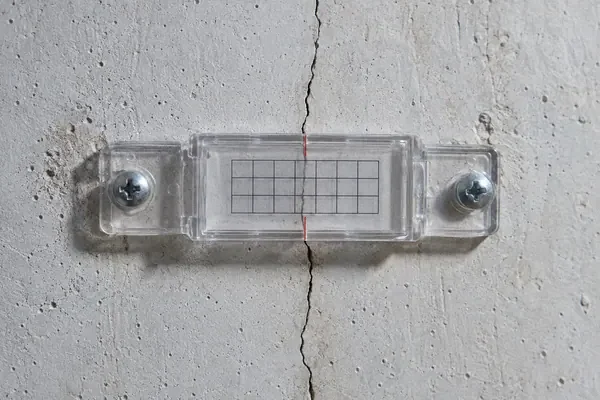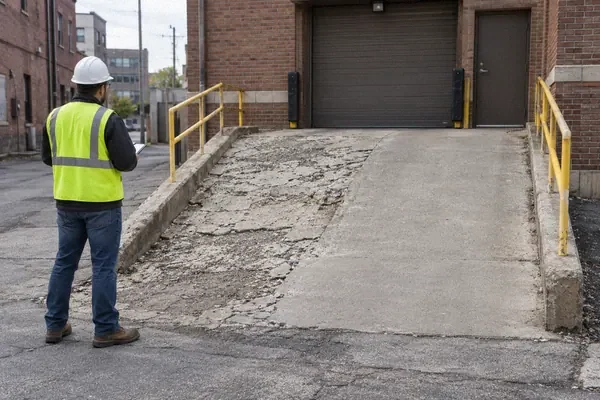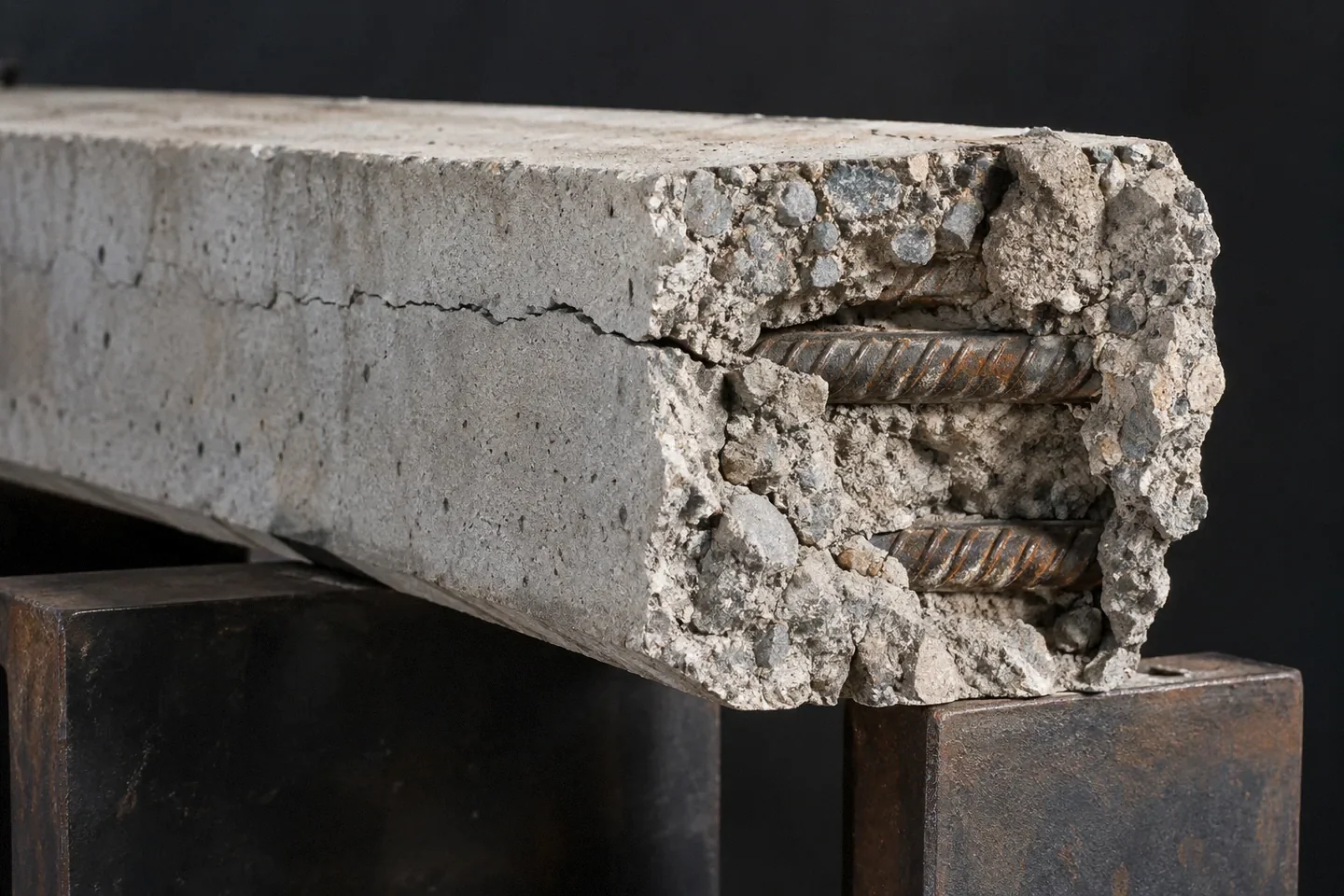
- Define the driveway loads
- Review support and joint details
- Ask how reinforcement is placed
Reddit discussions identify questions; technical guidance comes from the linked primary sources. This article is not a site inspection or an engineered specification. How we research.
The strongest-sounding ingredient is not the whole design
When homeowners compare driveway proposals, steel often becomes the easiest feature to discuss. One contractor offers larger bars, another mentions mesh, and a third emphasizes fibers. Those details sound measurable, but they do not tell you whether the complete installation suits the site. Start with what the driveway must do: accommodate the vehicles that will actually use it, meet the required elevations, drain appropriately and remain serviceable under the expected conditions.
A Reddit discussion about making a driveway resist cracking drew suggestions ranging from reinforcement to subgrade preparation and curing. It is useful as evidence of the competing ideas homeowners encounter. It is not a design specification, and the most popular response should not determine your reinforcement schedule.
Distinguish stopping cracks from managing their consequences
Concrete can develop cracks as it changes dimension or responds to support and loading. NRMCA's CIP 4 on cracking describes multiple contributors. That is why a promise that one ingredient eliminates every crack should be treated skeptically. A well-explained proposal addresses the mechanisms relevant to the project rather than claiming immunity from them.
Reinforcement and joints have different roles. NRMCA notes that mesh does not prevent cracking and discusses how joints manage where movement-related cracks occur in CIP 6. The homeowner's practical question is not simply whether metal is present. Ask what function the specified reinforcement serves and how it works with the joint arrangement.
Do not extend that guidance into a universal rule that every driveway needs the same reinforcement or none at all. Vehicle loading, slab geometry, soil conditions and local project requirements can differ. A design professional may need to resolve those questions, especially where an unusual load or structural connection is involved.
Ask about support before comparing reinforcement upgrades
A driveway rests on something. The proposal should identify preparation of the supporting ground and how unsuitable areas will be handled if encountered. Ask what is included, what requires additional evaluation, and how a changed condition will be documented before concrete covers it. These are scope questions you can understand without choosing a soil treatment yourself.
Drainage belongs in the same conversation. Where will roof runoff discharge? What happens at the garage threshold? Are adjacent grades being changed? A reinforcement upgrade does not answer these questions. If the proposal describes steel in detail but says little about elevations or support, request a more complete explanation before treating it as the stronger offer.
Photographs of prepared ground can be helpful records, but they cannot prove all underlying conditions are suitable. Ask what observations or testing are appropriate to the project and who is responsible for them. Avoid paying for an impressive-sounding preparation method whose purpose no one can explain for your site.
Installation details are more informative than material labels
A material listed in a quotation still has to be installed as intended. Ask how reinforcement will be supported during placement, how its location will be checked, and what record will be available before it is covered. Do not invent a placement depth based on an internet illustration; request the project detail or the responsible designer's requirements.
Ask whether the quote includes the same joint layout shown in the plans. If a salesperson says reinforcement makes joints unnecessary, request the actual design basis for that statement. Some concrete systems are designed differently from ordinary residential flatwork, so the question is about the proposed system, not a blanket prohibition. What matters is that the claim has a documented explanation rather than being a sales shortcut.
Also identify who coordinates changes. Moving a joint to suit a decorative pattern may affect the layout. Adding a thickened area or connecting to an existing slab may introduce other design considerations. Changes should not be decided casually after the truck arrives.
Compare proposals with a complete-system checklist
Use parallel questions so the answers can be compared:
| Proposal detail | Useful clarification |
|---|---|
| Intended use | Which vehicles and unusual loads are assumed? |
| Ground preparation | How are weak or unexpected areas handled? |
| Reinforcement | What is specified and what is its intended function? |
| Placement | How will the specified position be maintained? |
| Joints | Where are they planned, and who approves changes? |
| Curing | What method and homeowner handoff are included? |
| Acceptance | How are appearance and performance concerns reviewed? |
The purpose is not to force every contractor to offer an identical system. It is to reveal whether the price differences reflect a real difference in scope, an unresolved assumption or simply different wording.
A hypothetical bid comparison
Suppose one hypothetical proposal prominently advertises heavy reinforcement but leaves grading and preparation as brief allowances. Another provides a clear site plan, identifies vehicle assumptions, explains preparation and joints, and specifies reinforcement with an installation detail. The first may still be appropriate, but its bold material claim is not enough to establish that it is the better offer.
Ask the first contractor to fill the information gaps. If both proposals then address the same conditions, compare price, references, schedule and the proposed method on that more meaningful basis. An expensive upgrade can be worthwhile when it answers a documented need; it is poor value when it merely distracts from an incomplete scope.
Set expectations before the pour
Request a clear statement of what crack control means for the project and how a later concern will be evaluated. Keep the drawings, photographs and care instructions. A useful promise is an explained installation and response process, not an unsupported guarantee that no line will ever appear. Decide on reinforcement as part of the complete slab design, with the actual site and use in view.
Related questions
Does a thicker steel bar guarantee a better driveway?
Bar size alone cannot establish that. Its purpose, arrangement and placement must fit the slab design, and the support and joint details remain important.
Should I reject a proposal without conventional rebar?
Not solely on that basis. Ask the proposer to explain the design for the actual use and have unresolved design questions reviewed appropriately.
Research references
- primary · full
NRMCA CIP 4 - Cracking Concrete Surfaces - primary · full
NRMCA CIP 6 - Joints in Concrete Slabs on Grade - reddit · search-excerpt
All concrete cracks. But if you were tasked with making a driveway the most crack resistant for as long as possible, with all the materials needed, how would you do it?