- Collect the repair history
- Describe facts accurately
- Use state-specific disclosure advice
Reddit discussions identify questions; technical guidance comes from the linked primary sources. This article is not a site inspection or an engineered specification. How we research.
Build the repair history before completing forms
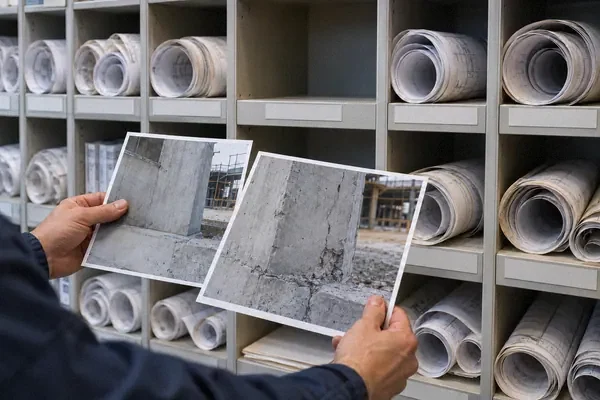
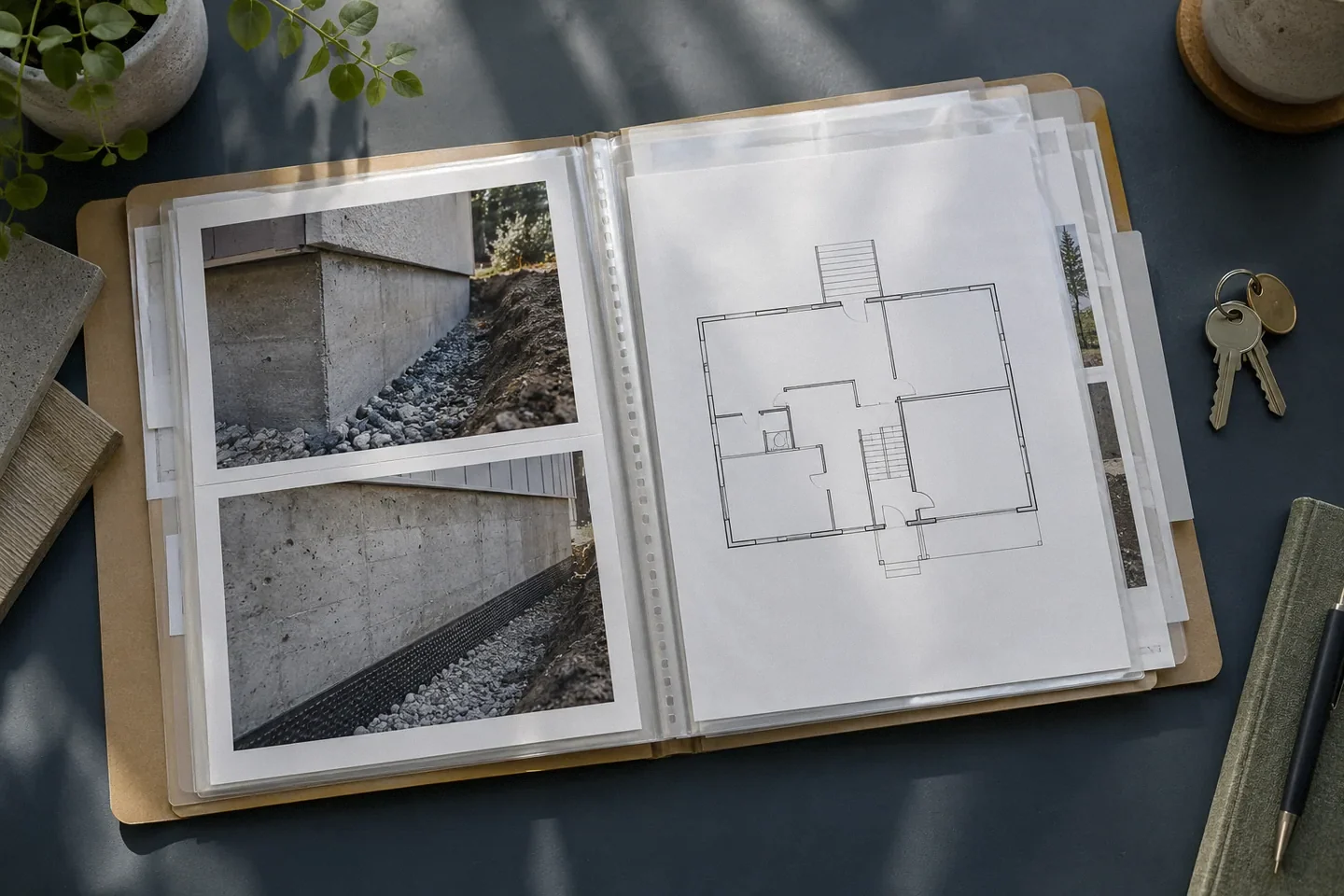
Collect reports, proposals, invoices, permits where applicable, photographs and warranty documents. Put them in chronological order so you can distinguish the original observation, the recommended work, the work actually performed and any follow-up assessment.
Do not assume that the proposal and final scope are identical. A contractor may have recommended several options while the owner authorized only one. Mark which option was performed and retain any approved changes. A buyer should not be left to infer that every item in an estimate was completed.
A Reddit buyer's nondisclosure allegation involving foundation repairs illustrates the confusion that missing history can create. The post does not establish liability or prove its allegations. It prompts a useful seller question: can the record explain what happened without relying on memory?
Use the correct state's disclosure framework
California's DRE disclosure guide explains the state's real-property disclosure framework. It also identifies disclosure as distinct from a warranty or inspection. Applicability and exemptions require attention to the actual transaction, not an assumption that every sale uses identical obligations.
Florida needs Florida-specific review. Do not copy California's Transfer Disclosure Statement advice into a Florida sale or assume that a differently named form has the same legal effect. Ask a Florida real-estate attorney or other appropriate licensed adviser which requirements and documents apply to your circumstances.
This article does not determine whether a particular fact is legally material or whether a specific transaction is exempt. Its purpose is to help you assemble accurate information so the qualified adviser can answer those questions efficiently.
Describe the work without overstating it
Use concrete language: a named contractor performed the described work on a stated date, and the attached report or invoice identifies the scope. If a professional provided a conclusion, quote or summarize it accurately with its limitations rather than expanding it into a guarantee.
“Repair completed” and “all structural concerns permanently resolved” are very different statements. The first may be supported by an invoice and completion record. The second may exceed what any document establishes. Ask the professional who performed the assessment what their report actually supports.
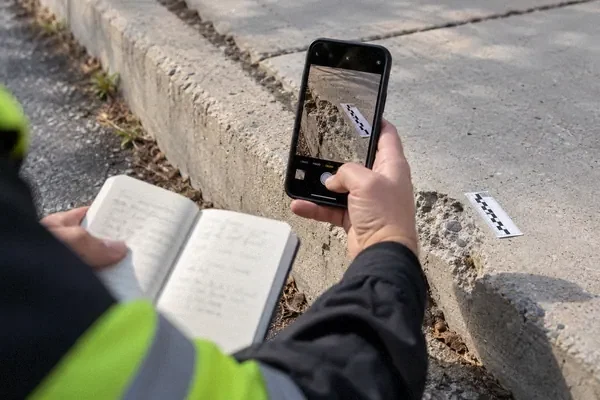
Likewise, distinguish your own observation from a diagnosis. You may know that a crack appeared or that water was observed. You may not know the mechanism, depth or significance unless it was evaluated. Honest uncertainty is preferable to an invented technical explanation.
A record map for the seller and adviser
| Document | Question it answers |
|---|---|
| Initial observation or report | What concern prompted the work? |
| Accepted repair scope | What operation was authorized? |
| Approved revisions | What changed during the project? |
| Completion and payment records | What work was reported complete and paid for? |
| Follow-up assessment | What was later reviewed, and with what limitations? |
| Warranty | Who makes the promise and whether transfer is addressed? |
If a document is unavailable, note that rather than substituting a reconstructed version that looks original. You can provide a factual summary of your recollection, clearly labeled as such, while continuing to request records from the relevant company or authority.
Hypothetical example: one repair from several recommendations
Suppose an owner received a report discussing drainage work and several possible foundation measures. The owner commissioned one defined repair and later improved a downspout arrangement. Years afterward, the owner prepares to sell and remembers the project simply as “foundation fixed.”
By reviewing the file, the owner identifies the actual completed scope and the recommendations that were not performed. The real-estate adviser can then help the owner respond accurately to the applicable disclosure questions. The buyer receives the relevant documents rather than a broad reassurance unsupported by the record.
The example does not imply that every unperformed recommendation must be characterized as an existing defect. It shows why the adviser needs the complete history before deciding how the facts should be disclosed.
Do not use cosmetic work to answer a history question
Painting, sealing or resurfacing can change appearance without explaining prior observations or repairs. If recent cosmetic work is part of the history, identify its scope honestly. Do not present a clean surface as evidence that no underlying issue ever existed.
When a buyer asks about a particular area, respond through the transaction's appropriate channel and retain the question and answer. Avoid casual assurances that contradict a report or invoice. If you need to check a fact, say so and obtain the record before answering definitively.
California's DRE homebuyer resource provides useful context for how disclosures and inspection information are used. It should not be read as a promise that handing over one document resolves every legal issue in a sale.
Address warranties and future responsibility carefully
Check whether a repair warranty transfers and whether any notice, fee or procedure is required. Obtain confirmation from the issuing party when necessary. Do not advertise a transferable warranty merely because the document has years remaining on its stated term.
Read any settlement or release associated with the repair before describing it to a buyer. It may define the scope of the resolution or contain limitations relevant to the record. Ask your adviser how to handle those documents appropriately rather than assuming they can be omitted because the dispute ended.
If a new condition appears during the sale process, document it and notify your adviser promptly. The fact that a form was completed earlier does not answer what should happen after new information arises. The response needs to follow the applicable transaction and legal requirements.
If the repair was successful, can I say there was never a problem?
No. Describe the known history accurately and obtain state-specific advice about the required disclosure. A successful repair does not change what occurred before it.
Does giving the buyer a repair invoice guarantee that my disclosure is complete?
No. An invoice may describe only part of the history. Have the applicable questions and supporting records reviewed rather than assuming a single attachment resolves every obligation.
Assemble the complete repair history before the listing or disclosure deadline creates pressure. Accurate records and state-specific guidance help you explain the property without concealing facts or making promises the evidence cannot support.
Research references
- primary · full
California DRE: Disclosures in Real Property Transactions - primary · full
California DRE: Information for Homebuyers - reddit · search-excerpt
Suing for Nondisclosure (all parties involved) - reddit · search-excerpt
Realtor did not disclose severely bowed foundation and hid it