- Write down the guarantee
- Verify product and scope
- Test the remedy against the risk
Reddit discussions identify questions; technical guidance comes from the linked primary sources. This article is not a site inspection or an engineered specification. How we research.
Ask what is actually being guaranteed
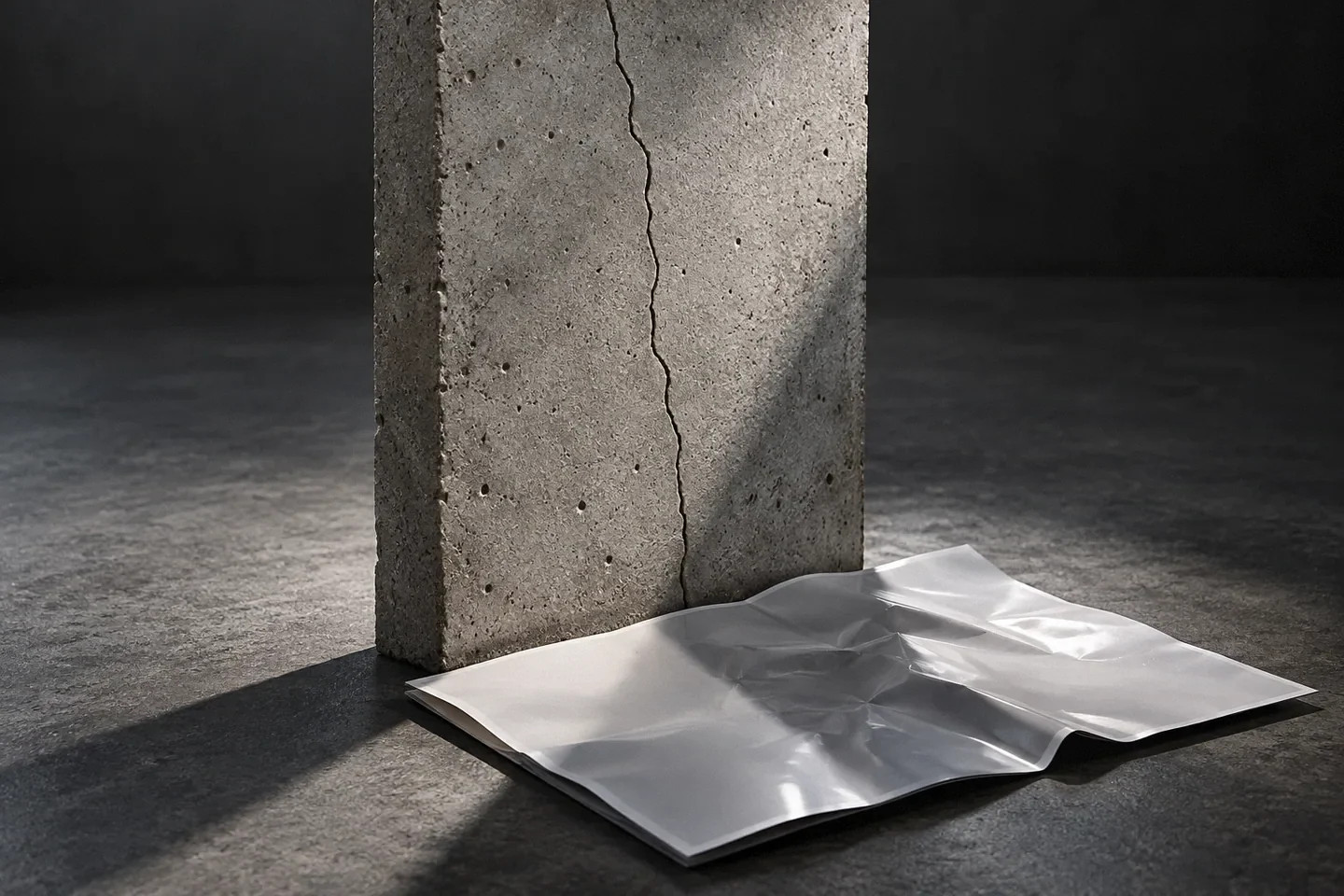
The phrase “will never crack” can mean very different things in a sales conversation. The speaker may be referring to a coating, a repair product or the entire slab. Ask which component is covered and whether the guarantee addresses appearance, water entry, movement or structural performance.
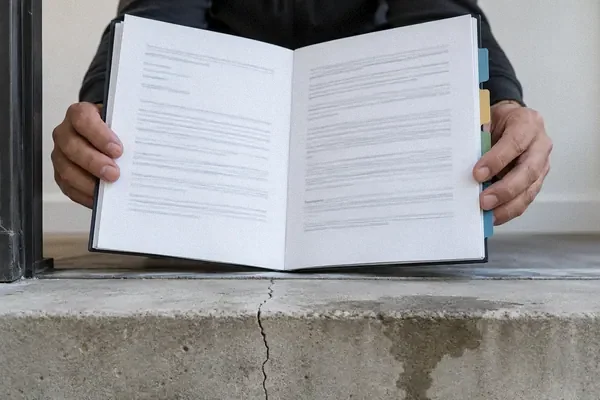
Request the exact wording in the agreement. A warranty lasting many years is not the same as a promise that no visible change can occur. It may provide only a limited repair if a defined condition appears. Read the remedy as carefully as the headline term.
A Reddit homeowner reported an alleged twenty-year no-crack coating promise. That report is not independently verified and does not establish what any particular product can do. It illustrates why a homeowner should ask for evidence before accepting an extraordinary sales statement.
Identify the product and the operation
Ask for the manufacturer, product name, current technical information and written warranty where a branded material is being proposed. A generic description such as “industrial coating” is not enough to compare the claim with the actual product.
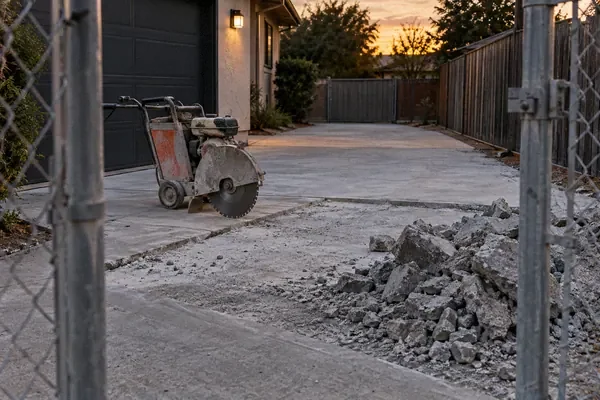
Clarify whether the existing slab remains, whether any deteriorated material is removed and whether the work changes the slab itself or only its surface. If the quote says replacement, the planned operation should match that description. If the proposal is a coating or overlay, evaluate it as that operation rather than assuming it creates a new structural slab.
Do not infer performance from a dramatic product name or a reference to an unrelated material. The useful question is what the manufacturer permits for the actual substrate and application. If the contractor makes a broader promise than the manufacturer, ask who is responsible for that additional commitment.
Separate four kinds of evidence
| Evidence | What it can help establish | What it does not establish alone |
|---|---|---|
| Product data | Intended applications and stated limitations | Suitability of an uninspected site |
| Written warranty | Issuer, term, conditions and remedy | That no problem can occur |
| Project assessment | Observed condition and relevant evaluation | Every future change |
| Completed examples | Appearance and reported experience | Performance of your specific slab |
An owner's objective should guide the inquiry. If the goal is a different color, the relevant evidence differs from a proposal intended to resolve movement or load concerns. The latter cannot be settled by a sales warranty alone.
Read exclusions before celebrating the term
A long promise may exclude the condition you are most worried about. Ask how existing cracks, movement, moisture, maintenance or third-party work are treated in the actual document. Do not assume an exclusion is fair, enforceable or applicable merely because it is printed; significant concerns may need legal review.
Also ask what happens if the issuing business stops operating or no longer serves the area. Avoid treating a long term as equivalent to a funded repair reserve. The practical value of a promise depends partly on identifying who will respond and what they are committed to provide.
California's CSLB guide discusses documenting warranties. That is a California consumer reference, not a nationwide rule that every contractor must offer the same duration or remedy.
Hypothetical example: a coating offered as “strengthening”
Suppose an owner asks about a cracked parking pad. A salesperson proposes a coating and describes it as strengthening the concrete for heavier vehicles. The written product sheet, however, addresses a surface application and does not answer the owner's load question.
The owner separates the decisions. They request an appropriate assessment of the pad for the intended use, then consider appearance work only after understanding the underlying condition. If the salesperson cannot support the structural claim, the owner does not treat the warranty length as a substitute.
This does not mean every coating is unsuitable or every enthusiastic salesperson is dishonest. It means that a surface-treatment proposal must not be allowed to answer a different engineering question without evidence.
Watch the sales process as well as the product
Pressure to sign immediately, refusal to identify materials or an unexplained dramatic price reduction deserves further inquiry. The FTC identifies pressure tactics in home improvement scams. A low price or discount alone, however, does not prove fraud.
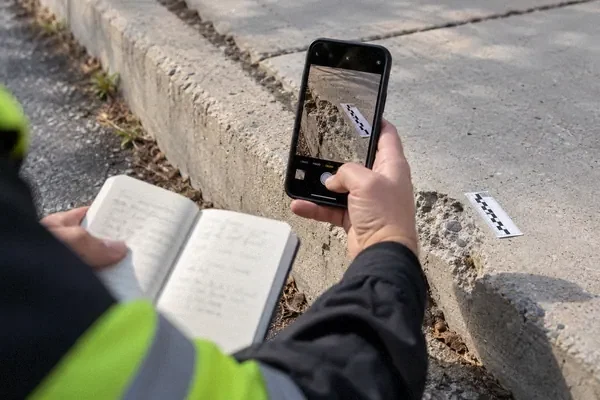
Ask for time to read the documents and compare a second qualified opinion. Keep copies of the advertisement and written proposal. If a verbal claim materially influenced your decision, ask the contractor to confirm it in writing rather than relying on a later disagreement about what was said.
Do not publish an accusation simply because the claim appears implausible. Record the statement, ask for substantiation and obtain technical or legal help where appropriate. That approach protects your decision without replacing evidence with suspicion.
Decide whether the offer solves your actual problem
Write your desired result in one sentence, such as improving appearance or addressing a professionally identified defect. Then compare the proposed work and warranty with that result. If they answer a different question, request a revised proposal or decline the offer.
The strongest purchasing decision may be to postpone the surface work until an unresolved condition is understood. A discount available today is not useful if it leaves the original concern unanswered and changes the evidence needed to assess it.
Does a twenty-year warranty prove the slab will remain crack-free?
No. Read the covered condition and remedy. The duration identifies a period under specified terms; it does not by itself establish the physical behavior of the slab.
Should I trust a contractor who says the manufacturer backs every claim?
Verify the actual manufacturer document and its application to the proposed work. Ask the contractor to identify any promise that goes beyond it and the party responsible for that additional commitment.
Before accepting a sweeping guarantee, obtain a specific written promise and evidence relevant to your intended result. If the claim cannot be explained without slogans, it is not yet a sound basis for the project.
Research references
- primary · full
FTC: How To Avoid a Home Improvement Scam - primary · full
CSLB: Terms of Agreement - reddit · search-excerpt
Am I Being Scammed Update