- Find the parcel authority
- Describe all proposed work
- Confirm permits and inspections
Reddit discussions identify questions; technical guidance comes from the linked primary sources. This article is not a site inspection or an engineered specification. How we research.
A mailing address is not the whole answer
A property with an Orlando mailing address may not necessarily be governed by every City of Orlando permitting procedure. Confirm the parcel's actual jurisdiction through the relevant official property or permitting service. Ask which department handles the proposed driveway work rather than assuming the nearest city office is responsible.
The same caution applies across Central Florida counties and municipalities, and it applies when comparing Florida with California. A neighbor's project, a contractor's work in another city or an online discussion cannot establish your parcel's requirements.
A Reddit buyer's account of missing permits and a foundation concern illustrates how confusing records can become later. The account is not a driveway permit rule, but it highlights the value of retaining the official project record from the beginning.
Describe the actual operation
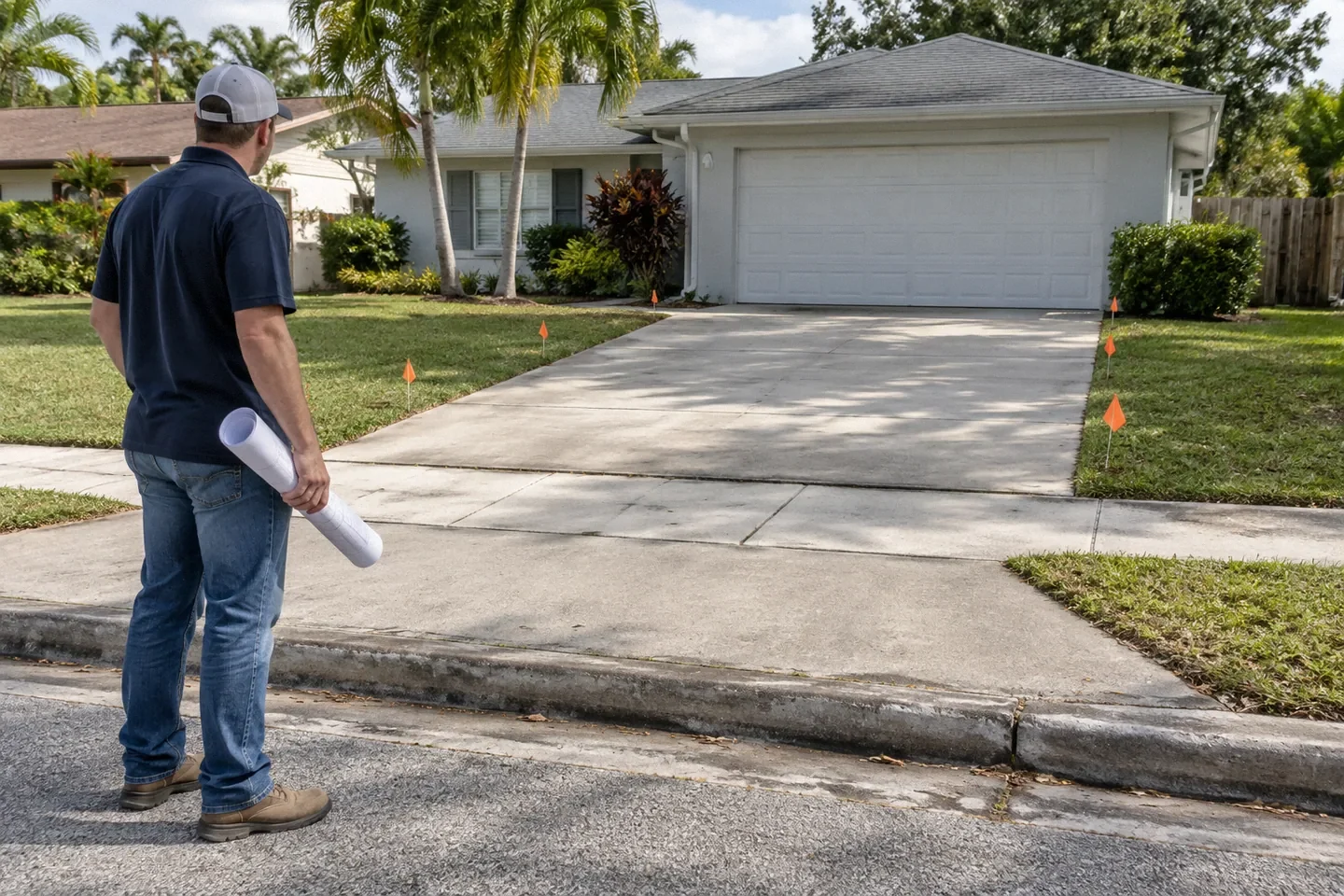
Tell the authority whether you are removing existing concrete, replacing it in the same footprint, widening the driveway or adding a new parking area. Identify work at the sidewalk, apron, curb or public right-of-way. Include any change to elevations or the direction water moves across the site.
Do not reduce the description to “a little concrete.” The details that seem minor to an owner may determine which review applies. A marked site sketch and photographs can communicate the proposal more accurately than a general telephone question.
Ask whether the driveway work is part of a larger building project. A slab serving a new garage may follow a different review path from an isolated pavement project. Explain the intended future use rather than obtaining an answer based on an incomplete present description.
Orlando provides a useful local example
The City of Orlando's engineering permit page identifies an engineering application for specified paving and driveway work. Its process should be treated as a City of Orlando example, not a rule for every Florida property.
The city's residential requirements separately address driveway plans, impervious area and apron information. Read the current applicable section with the permitting office rather than extracting one detail and assuming the rest of the project is approved.
An application, issued permit and final approval are different stages. Keep those stages clear in your conversation with the contractor. “We submitted it” does not mean the project is ready for every construction operation.
Ask a focused set of questions
| Question for the authority | Why it matters |
|---|---|
| Is this parcel under your jurisdiction? | Prevents reliance on the wrong local procedure |
| Which permits cover this marked scope? | Establishes the actual review path |
| Are street-side or drainage reviews separate? | Reveals related approvals |
| What plans or professional documents are required? | Identifies prerequisites before pricing and scheduling |
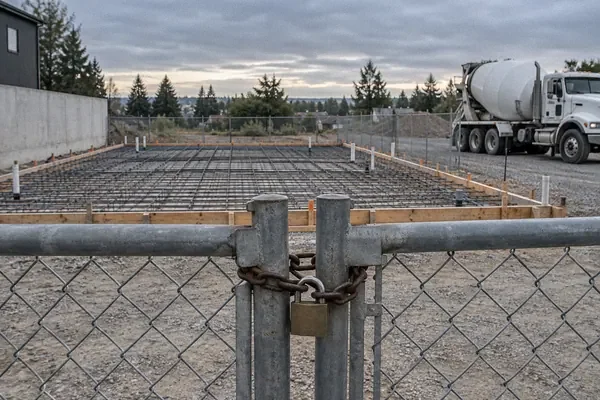
| Which inspections must occur before covering work? | Defines construction hold points |
| What closes the permit? | Prevents an incomplete record after the crew leaves |
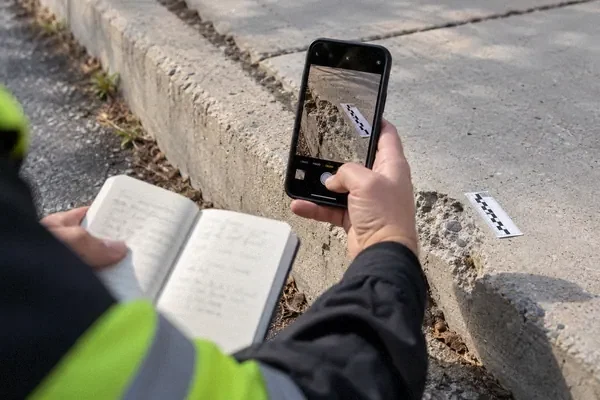
Record the answer, department and date. If the advice depends on a condition, preserve that condition too. For example, an answer about a same-footprint replacement may not remain applicable after the owner widens the project.
Put permit responsibility in the contract
Identify who applies, who supplies plans, who pays the fees and who schedules inspections. Clarify what happens if review requires a design change. Do not assume the contractor's price includes every possible professional service merely because it includes a permit line.
If you are asked to apply as an owner-builder, understand the role before signing. Do not treat the label as an administrative shortcut for work actually controlled by someone else. Ask the issuing authority to explain the applicable responsibilities and forms for your circumstances.
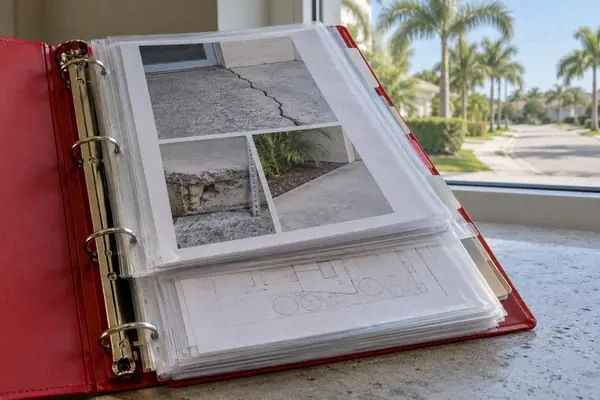
The contract should also identify who retains the approved documents on site and how the owner receives the final records. A completed-looking driveway can still have an unresolved administrative step. Keeping the record is useful for later questions, maintenance planning and a future property transaction.
Hypothetical example: replacement becomes expansion
Suppose an owner initially asks about replacing a driveway within its existing boundaries. During bidding, the owner adds a side parking strip and proposes changing an edge elevation to redirect runoff. The contractor says the original permit answer still applies.
The owner sends the revised sketch to the authority and asks for confirmation. The answer may require additional review or documents. The important point is that the original inquiry no longer described the same project, so it should not be treated as blanket approval of the revision.
This step may affect the schedule and price, but discovering it before demolition is usually easier to manage than discovering it after the site has been altered. The owner and contractor can then update the scope deliberately.
Preserve the final record
Keep the permit identifier, approved plans, relevant revisions, inspection results and closure record together. If the online portal displays a status you do not understand, ask the authority what it means. Avoid treating a screenshot of a payment receipt as proof of completion.
For older work, search results may be incomplete or stored under an earlier address or related permit. Request a records review before declaring the work unpermitted. Missing information is a reason to investigate, not proof of a particular person's knowledge or misconduct.
Does replacing concrete in the same footprint always avoid a permit?
No universal exemption should be assumed. Describe the scope and location to the responsible authority and obtain an answer for that project.
Can I use Orlando's driveway requirements for a California property?
No. They are local requirements for Orlando. A California project needs the applicable city or county review and any other relevant state requirements.
Before accepting a final bid, confirm the parcel authority and the permit path for the complete marked scope. Then make the contract and construction schedule reflect that answer.
Research references
- primary · full
Orlando: Apply for an Engineering Permit - primary · full
Orlando: Residential Permitting Requirements - reddit · search-excerpt
No foundation, no permits - reddit · search-excerpt
Inspector is already 1.5 hours late. Pour starts in 15 minutes