- Confirm the responsible authority
- Build the factual packet
- Track submission and follow-up
Reddit discussions identify questions; technical guidance comes from the linked primary sources. This article is not a site inspection or an engineered specification. How we research.
Establish jurisdiction before selecting a form
Concrete-related work can range from paving to structural construction. Do not assume that every activity has identical state licensing requirements or that a state form is the only relevant route. Describe the complete scope to DBPR or the local building department when the correct authority is unclear.
Florida's DBPR hiring brochure distinguishes company registration from contractor qualification and directs owners to local requirements. Use the actual contracting identity and relevant scope rather than relying on the company name in an advertisement.
A Reddit discussion about DBPR includes expectations about recovery. Treat those statements as unverified. A complaint, a disciplinary process, a civil claim and any recovery-fund application should not be treated as one automatic sequence with a guaranteed payment.
Identify the parties accurately
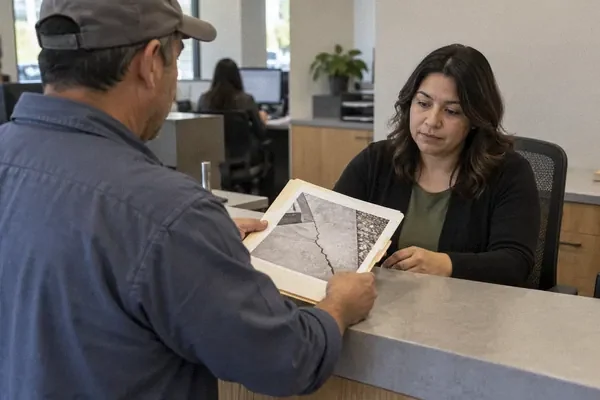
Collect the signed contract, proposal, invoices and payment instructions. Note the legal business name, trade name, license information if applicable and the people with whom you communicated. If those names differ, explain the relationship as far as you know and label anything unresolved.
Do not substitute the concrete supplier's name for the contractor merely because it appears on delivery paperwork. The supplier, pump service and installer may be different entities with different roles. A short responsibility chart helps the recipient understand who agreed to do what.
When reviewing public complaint information, distinguish an allegation from a finding. The DBPR unlicensed construction search can assist research, but the absence of a visible result is not a guarantee of a clean history or proper qualification for your job.
Describe the concern in observable terms
Write the original scope, relevant date and current unresolved condition. Examples include a marked area left unfinished, an invoice inconsistent with approved changes or a specific concern identified by a qualified assessor. Avoid replacing those facts with a broad statement that the entire job is a scam.
If you suspect a permit problem, provide the permit information you have and the authority you contacted. A missing result in an online search is not necessarily proof that no record exists. Identify the search limitation and any written response from the building department.
If the concern is technical, preserve the report's actual language. “Further investigation recommended” is different from a confirmed finding that a structure is unsafe. Do not exaggerate a professional's conclusion to make the complaint appear stronger.
Build the packet around the evidence
The DBPR construction complaint package requests supporting documentation. Review the current instructions when filing; the linked package is an official resource, but submission channels and requirements should be confirmed at the time of use.
| Item | Purpose |
|---|---|
| Complete agreement | Establish scope and parties |
| Changes and invoices | Explain the disputed price or work revision |
| Payment proof | Show actual amounts and recipients |
| Permit correspondence | Identify official records and unresolved approval questions |
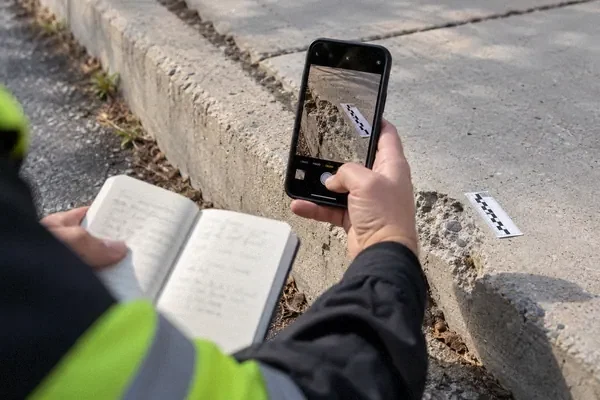
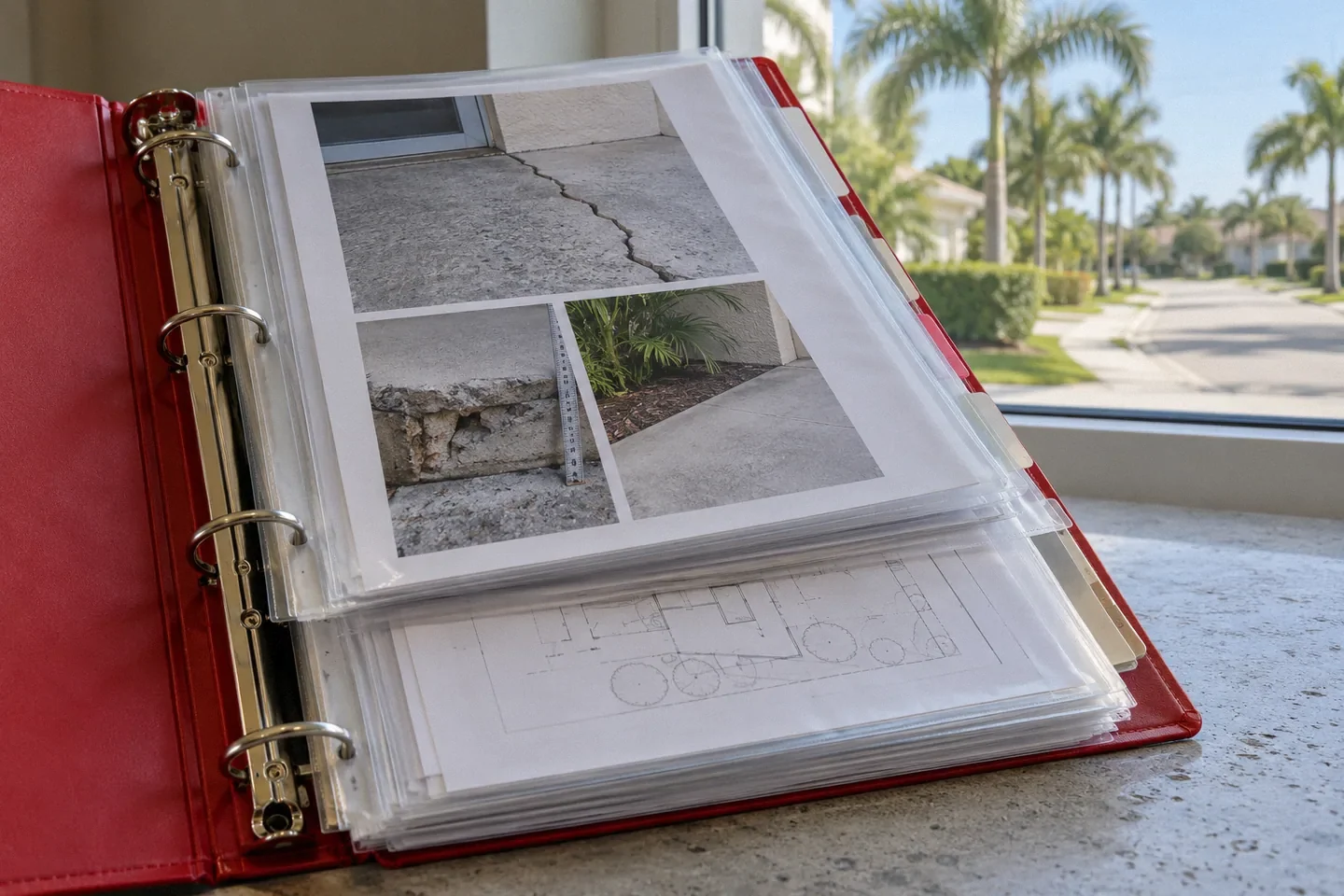
| Dated photographs | Locate and describe the condition |
| Communication history | Show notice, response and attempted resolution |
| Professional findings | Provide qualified analysis where obtained |
Send legible copies as directed and retain originals. An organized index is preferable to a large set of unlabeled images. Redact unrelated sensitive information where appropriate without obscuring the evidence needed to understand the transaction.
Hypothetical example: unfinished driveway work
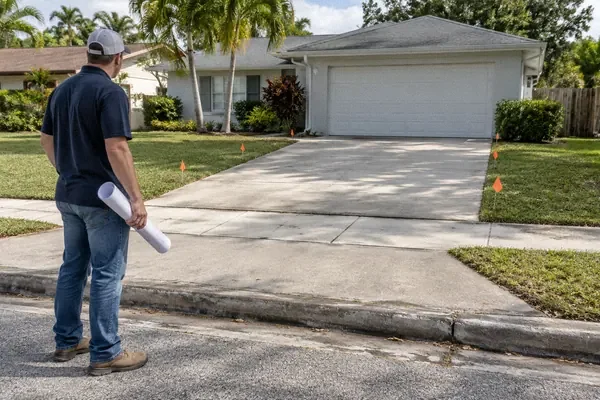
Suppose a Florida owner pays for a driveway project that includes removal, placement and restoration. Placement occurs, but the contractor does not return for the listed restoration and stops answering. The owner gathers the signed scope, payment receipts, marked photographs and written completion requests.
Before filing, the owner confirms the relevant authority for the scope and checks the permit record. The complaint describes the specific unfinished items rather than speculating about the contractor's finances. A separate proposal from another contractor identifies the work needed to finish, without being presented as a binding measure of damages.
The owner also seeks advice about the original contract before hiring the replacement. The complaint packet and the decision to terminate or pursue money are related, but one does not automatically settle the other.
Do not rely on a recovery promise
If someone says a state fund will pay, ask for the official eligibility requirements and the application process that applies to your facts. Do not pay a third party merely because it promises to unlock government recovery money. A forum comment cannot establish eligibility, amount or timing.
Likewise, do not assume that filing with DBPR pauses court deadlines or resolves payment obligations. A Florida attorney can evaluate significant money claims, termination questions and applicable deadlines. Bring the same organized file so the consultation can focus on decisions rather than reconstructing the project.
Keep communications factual while the matter is reviewed. If the contractor offers a repair or settlement, preserve the proposal and consider its scope and legal effect before accepting. A new agreement should describe the actual result, not merely promise to make the complaint disappear.
Follow through after submission
Save the submitted packet, confirmation and reference number. Record requests for additional information and answer them through the designated channel. If you do not understand what is missing, ask the agency to clarify rather than resending the entire archive without explanation.
Update the record when work resumes, another contractor intervenes or the parties reach an agreement. Distinguish the original condition from later changes. That helps the reviewer interpret photographs and assess the history accurately.
Is a Florida business registration the same as a contractor license?
No. They answer different questions. Confirm the requirements for the actual work with DBPR and the local authority rather than treating an LLC listing as proof of construction qualification.
Does submitting a DBPR complaint guarantee compensation?
No guarantee should be assumed. Verify any separate recovery mechanism through official requirements and obtain Florida legal advice if recovering money is the main objective.
Begin with the correct authority and a concise factual packet. Keep the regulatory complaint, technical assessment and financial recovery questions separate enough that each can be addressed through the appropriate process.
Research references
- primary · full
DBPR: Hiring Licensed Contractors - primary · search-excerpt
DBPR: Unlicensed Complaint Search - primary · full
DBPR: Construction-Related Complaint Package - reddit · search-excerpt
DBPR